
How Do Porta Potties Work?
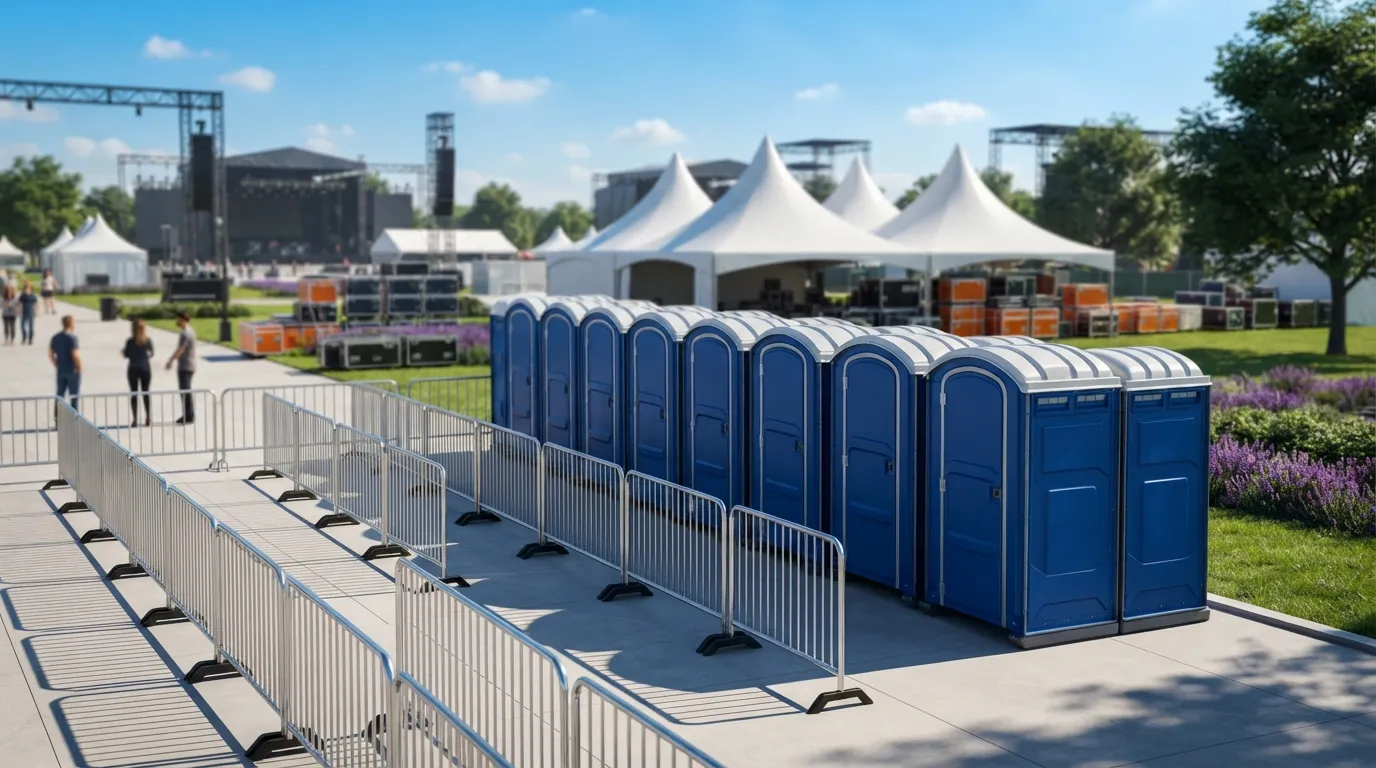
Picture a sealed box, about 44 by 48 inches on the ground and 92 inches tall, with a tank underneath holding blue deodorizing fluid. There's no flush handle. Waste drops into the tank, the chemical breaks down odor and slows bacterial buildup, and the unit sits self-contained until the service truck comes back. A construction worker running to a porta potty on a job site off a road near San Bernardino doesn't need water pressure or a sewer line, because the whole thing is designed to work without either. That's the appeal for construction site services and home renovation porta potty jobs where hooking into plumbing isn't practical. Service techs pump the tank, rinse it, and refill the chemical charge on each visit, following the baseline interval in ANSI/PSAI Z4.3, which calls for one service visit a week for up to 10 users across a 40 hour week. Heavier-use sites need more frequent visits, which is why San Bernardino Porta Pros adjusts the schedule per site rather than treating every job the same. If you're not sure how many units or how often, the how many porta potties do I need guide walks through the math.
How Does a Portable Sink Work?
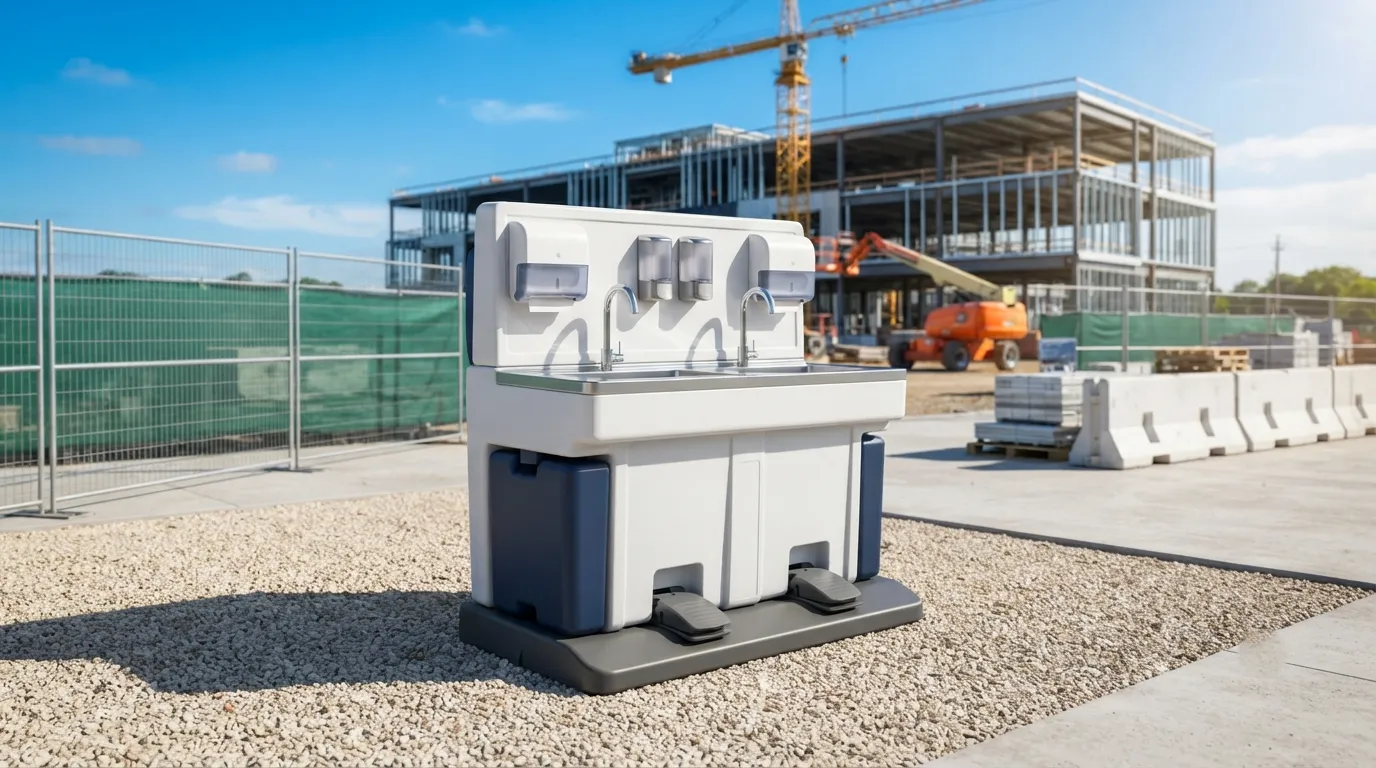
A portable sink runs off a built-in fresh water tank, usually gravity-fed or foot-pump operated, with a separate gray water tank underneath to catch runoff. No hose bib, no drain line. You fill the fresh tank before the event or work shift, and the unit dispenses water at the basin the same way a kitchen sink would, just without a wall behind it. This matters because 29 CFR 1910.141(d)(2) requires washing facilities to have soap and towels or a hand-drying device, and hand sanitizer alone doesn't satisfy that rule. A handwashing station rental or portable sink rental covers that requirement directly. For crews using paints, coatings, herbicides or insecticides, OSHA 1926.51(f)(1) specifically requires washing facilities on top of general sanitation, so a sink on-site isn't optional in those cases. Some sites pair a sink with a hand sanitizer station rental for extra coverage between full washes. Full requirements are laid out on the handwashing requirements page.
How Do Flushable Porta Potties Work?
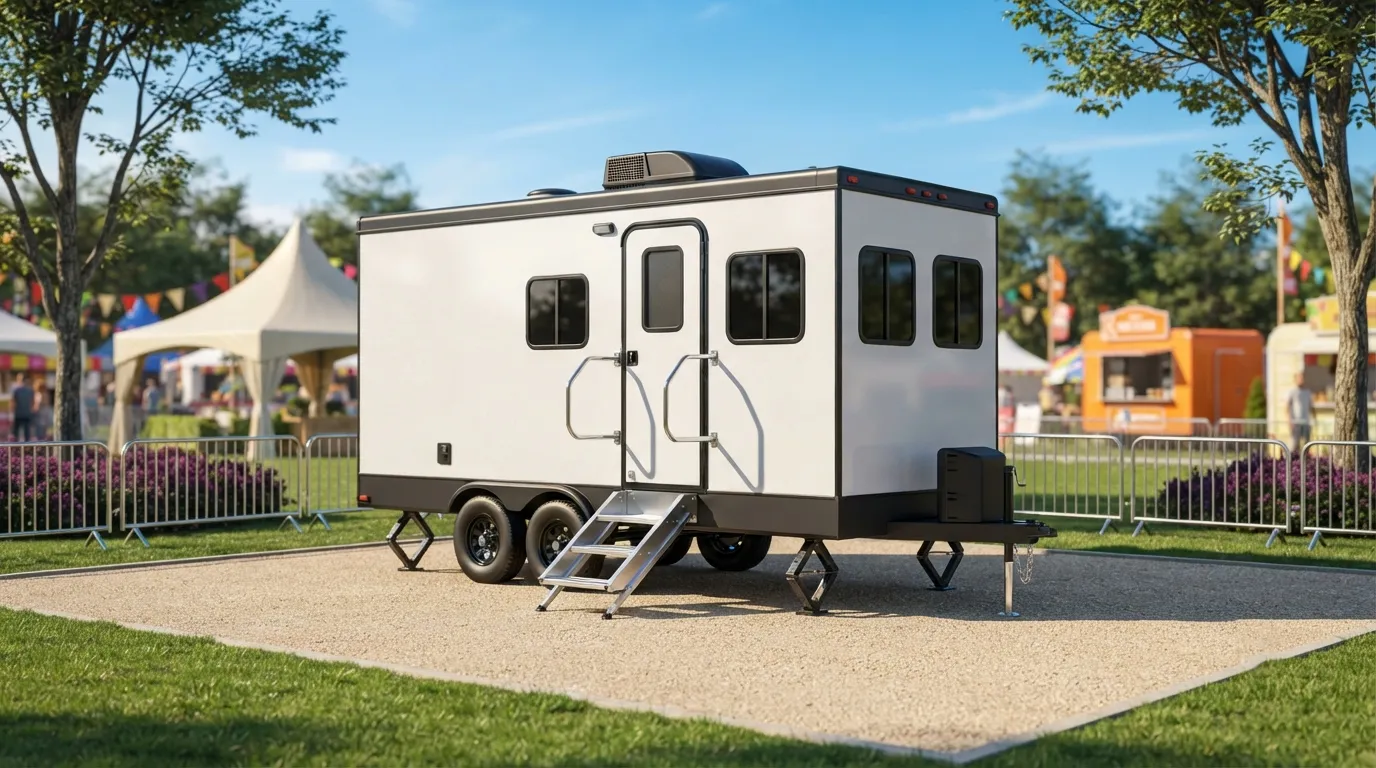
A flushable unit adds a small onboard fresh water tank and a hand-pump or foot-pump flush mechanism that pushes water into the bowl, moving waste into the holding tank below, similar to a low-flow toilet but self-contained. That's the difference between a standard porta potty rental and a deluxe flushable porta potty: the deluxe version behaves more like an indoor bathroom, with a foot-flush and a sink built into the same unit. Weekly rates for a deluxe unit run in the range on this page's porta potty rental cost breakdown, and pricing depends heavily on duration, so check the porta potty rental per day and monthly porta potty rental pages before comparing quotes. ADA-compliant units follow the same flush principle but add space: ADA Standards section 304.3.1 requires a 60 inch turning circle inside, and section 404.2.3 sets a 32 inch minimum clear door opening, so the ADA accessible porta potty is built on a larger footprint than a standard unit. For weddings, festivals, and other events where guests expect a nicer setup, the luxury restroom trailer or restroom trailer rental options flush and drain more like a home bathroom, with multiple stalls in one unit.
How Do Camping Porta Potties Work?
A camping unit works the same way a standard job-site unit does: sealed tank, chemical treatment, no water hookup needed, just scaled for lower traffic and easier placement on uneven ground. For a weekend trip or a short event near San Bernardino, that self-contained design means no septic connection and no generator required. San Bernardino Porta Pros treats every tank with a septic-safe deodorizing chemical that controls odor and breaks down solids between pump-outs, the same category of product used in septic tank cleaning chemical treatments for full-size home systems. That's a different scale problem than a residential septic tank, which is typically pumped every 3 to 5 years depending on tank size and household size, covered in depth on the how often to pump a septic tank page. For camping, camping porta potty rentals are priced by the day or weekend rather than by the month, and OSHA 1926.51(c) sets the general benchmark for toilet counts on any site with workers present, even a remote one. If your event runs longer than a weekend, the festival restroom rental and event restroom rental pages cover multi-day setups.
Rental Duration and Unit Pricing
| Unit | Day | Week | Month |
|---|---|---|---|
| Standard | $100-$350 | $130-$500 | $125-$325 |
| Deluxe | $85-$1200 | $150-$290 | - |
| ADA | $200-$400 | - | - |
Weekend rates for a standard unit run roughly $125 to $400 depending on demand and delivery distance. Delivery fees add on top, and those vary by day, week or month, detailed further on the porta potty rental cost page.
Do porta potties need to be near a sewer line?
No. The sealed tank design means no sewer or water hookup is required at all. That's why units work equally well on a job site 8.9 miles south in Colton or a backyard renovation inside San Bernardino proper.
Can I flush toilet paper in a porta potty?
Standard, single-ply toilet paper breaks down fine. Wipes, paper towels and anything thick can clog the tank valve, so stick to toilet paper made for septic or RV use.
How often does San Bernardino Porta Pros service a unit?
The baseline under ANSI/PSAI Z4.3 is one visit per week for up to 10 users. Busy sites or events often need two or three visits a week, adjusted per job.
Does a flushable unit smell less than a standard one?
Generally yes, because the flush mechanism moves waste into the tank faster and the added water dilutes odor. Chemical treatment and pump schedule still matter more than the flush feature alone.
What's the difference between ADA and standard units?
ADA units are wider, with a 32 inch minimum door opening and a 60 inch turning circle inside for wheelchair access. Standard units use the smaller 44 by 48 inch footprint without those clearances.
Next step
Get a delivery date
Tell us the address, the dates and the headcount. We size the order and confirm the route.